


-
Origin: Endemic to the Philippines, particularly Mindanao.
-
Type: Epiphytic orchid (naturally grows on trees).
-
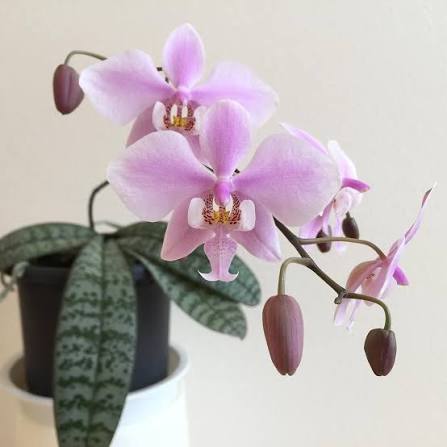
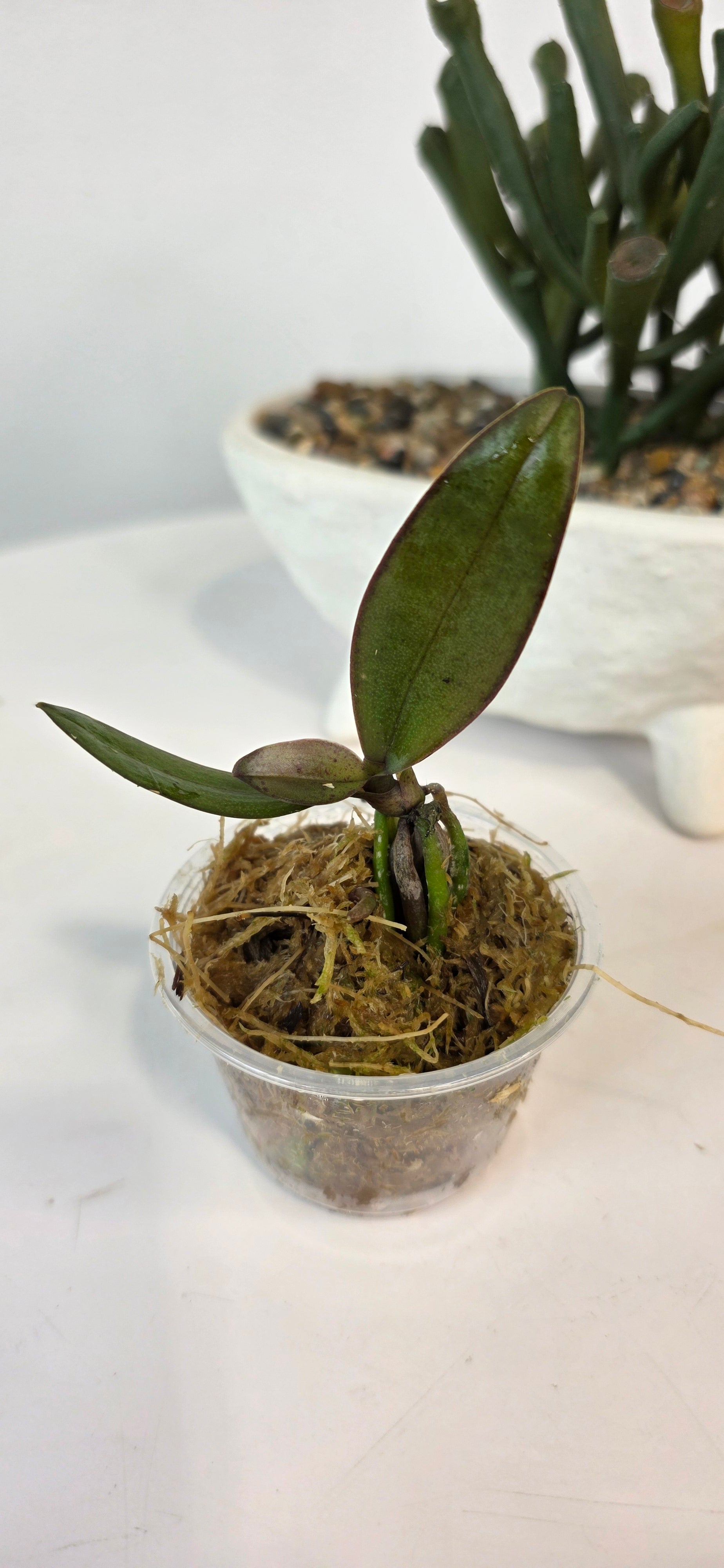
Leaves: Thick, leathery, dark green leaves with distinctive silvery marbling or streaks, giving the plant a unique appearance. Usually 4–6 leaves per plant.
-
Flowers: Beautiful pink to magenta flowers, often lightly scented, appearing in sprays of 5–10 blooms per inflorescence. Each flower is relatively small (2–3 inches across) but striking in color.
-
Blooming season: Typically blooms late winter to spring.
Phalaenopsis schilleriana is highly prized for its attractive foliage and charming flowers, making it a favorite for collectors and home growers alike.
Care Guide:
Light
-
Prefers bright, indirect light.
-
Avoid direct sunlight, which can scorch the leaves.
-
East- or north-facing windows are ideal; a sheer curtain works well for south- or west-facing windows.
Temperature
-
Day: 75–85°F (24–29°C)
-
Night: 65–70°F (18–21°C)
-
Protect from cold drafts or sudden drops below 60°F (15°C).
Humidity
-
Likes high humidity, ideally 50–70%.
-
Mist the leaves occasionally or place a humidity tray nearby.
-
Ensure good air circulation to prevent fungal or bacterial infections.
Watering
-
Water when the potting medium is almost dry, roughly every 5–7 days in warm months and less in winter.
-
Avoid water sitting in the crown, which can lead to rot.
-
Use room-temperature, non-chlorinated water if possible.
Potting Medium
-
Use a well-draining orchid mix (medium-grade bark, sphagnum moss, or a combination).
-
Repot every 2–3 years or when the medium breaks down.
Fertilization
-
Fertilize every 2 weeks during the growing season with a balanced orchid fertilizer (diluted to half strength).
-
Fertilization can be reduced in winter when growth slows.
Flowering
-
Flowers grow on arching inflorescences.
-
After blooming, leave the flower spike until it turns brown before removing it, as some may produce secondary blooms.