


-
Family: Orchidaceae
-
Origin: Endemic to the Philippines, particularly Luzon.
-
Type: Epiphytic orchid (grows on trees in its natural habitat).
-
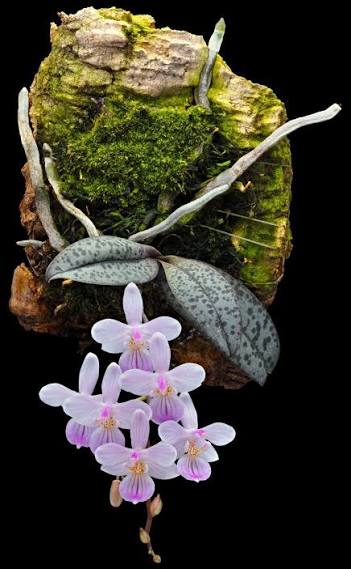
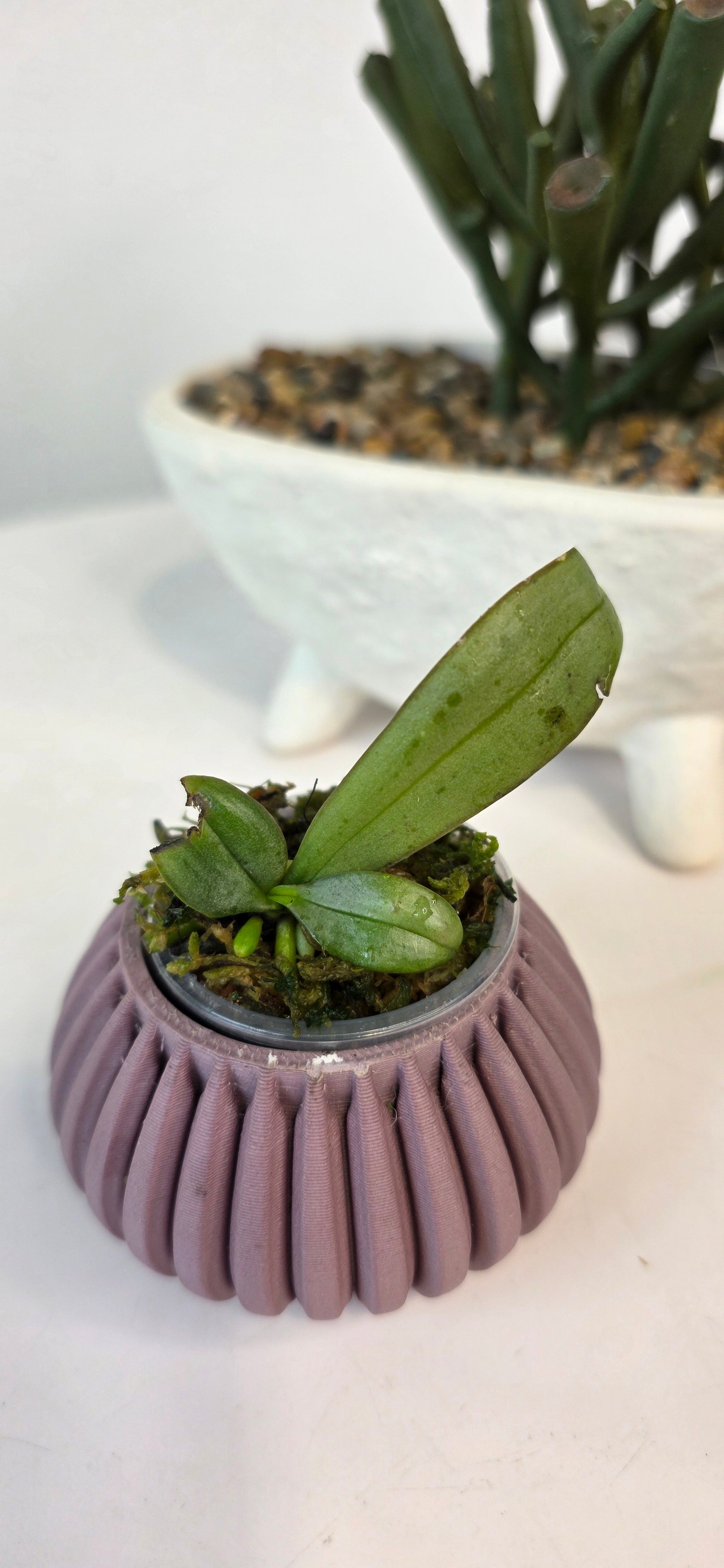
Leaves: Thick, leathery, dark green, and oblong. Usually 3–6 leaves per plant.
-
Flowers: Small to medium-sized, delicate white flowers with a hint of yellow and sometimes pink in the lip. The flowers typically bloom on short racemes. They are known for a subtle fragrance.
-
Blooming season: Usually in late winter to spring.
Phalaenopsis lindenii is prized for its elegant flowers and compact growth habit, making it suitable for indoor cultivation.
Care Guide:
Light
-
Prefers bright, indirect light.
-
Avoid direct sunlight, which can burn the leaves.
-
A north or east-facing window is ideal; a sheer curtain works well if placed near a south or west window.
Temperature
-
Day: 75–85°F (24–29°C)
-
Night: 65–70°F (18–21°C)
-
Protect from cold drafts or sudden temperature drops.
Humidity
-
Likes high humidity, ideally 50–70%.
-
Mist the leaves or use a humidity tray to maintain moisture.
-
Good air circulation is essential to prevent fungal infections.
Watering
-
Water thoroughly when the medium is nearly dry, usually once a week.
-
Avoid letting water sit in the crown to prevent rot.
-
Use room-temperature, non-chlorinated water if possible.
Potting Medium
-
Use a well-draining orchid mix (bark, sphagnum moss, or a combination).
-
Repot every 2–3 years or when the medium breaks down.
Fertilization
-
Fertilize every 2–3 weeks during the growing season with a balanced orchid fertilizer (diluted to half strength).
-
Reduce fertilization during the winter or dormant period.
Flowering
-
After flowering, cut the flower spike near the base to encourage new growth.
-
Maintain consistent care; Phalaenopsis lindenii can rebloom annually under ideal conditions.