


-
Type: Epiphytic orchid (grows on trees, not in soil)
-
Origin: Native to Indonesia, particularly the Maluku and Sulawesi regions
-
Appearance:
-
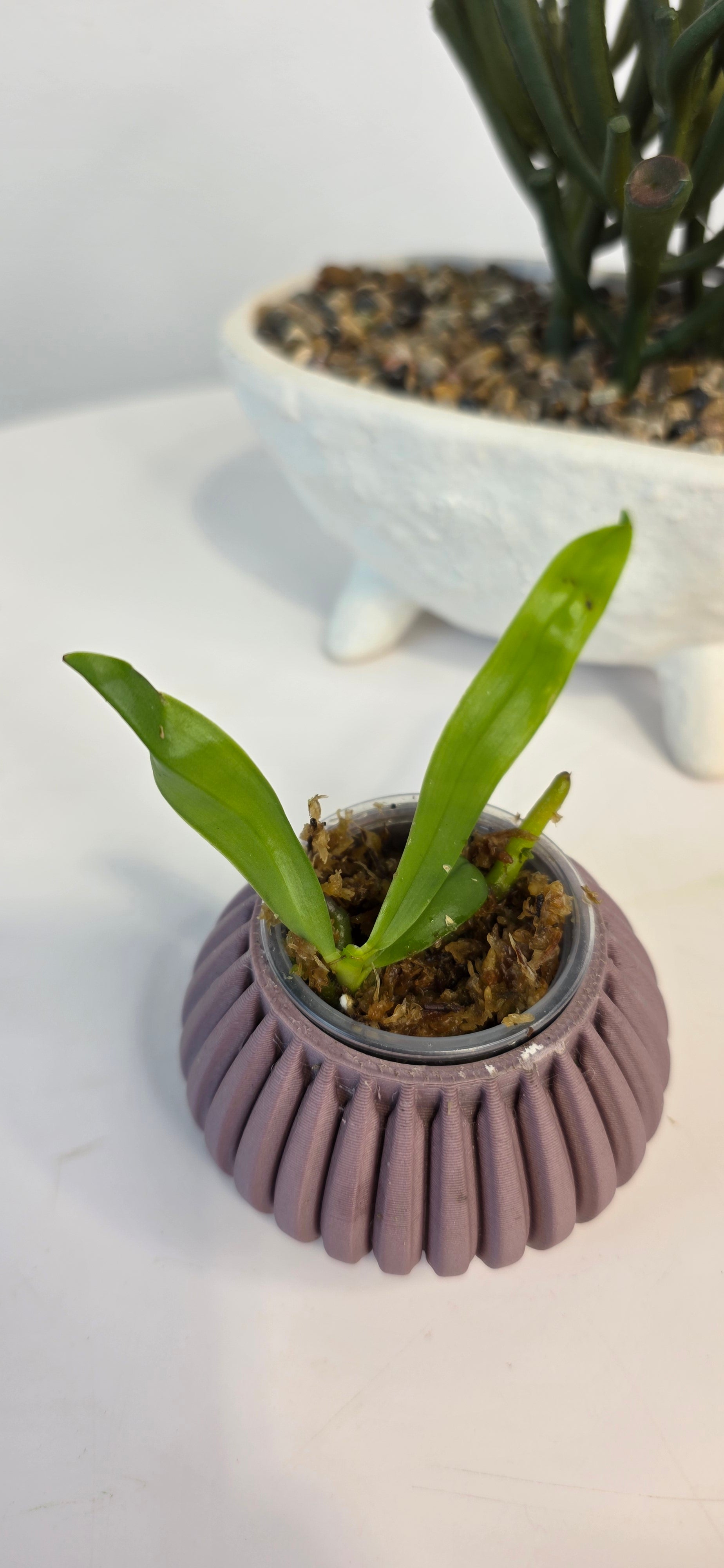
Leaves: Thick, leathery, strap-like, and bright green. Typically 3–6 leaves per stem, growing in a fan shape.
-
Flowers:
-
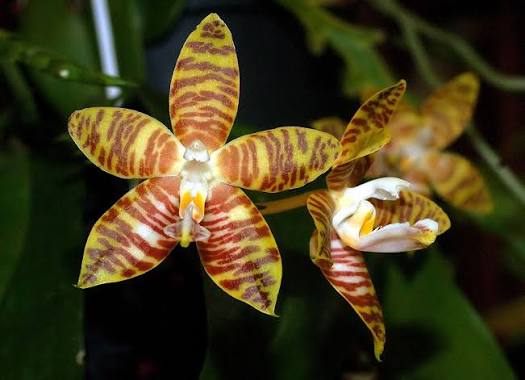
Medium-sized, usually bright yellow (flavida = yellow) with reddish-brown spots or markings on the lip.
-
Flowers are fragrant and appear on long, arching spikes.
-
Blooms often appear in clusters, with each spike producing several flowers.
-
-
Size: Compact to medium; suitable for pots or baskets.
-
-
Growth habit: Monopodial (grows upward from a single stem), producing long-lasting flowers in favorable conditions.
Care Guide
1. Light:
-
Prefers bright, indirect light, similar to other Phalaenopsis species.
-
Can tolerate some morning sun but avoid strong midday sunlight to prevent leaf burn.
-
Indoors, an east- or south-facing window with filtered light is ideal.
2. Temperature:
-
Day: 75–85°F (24–29°C)
-
Night: 65–70°F (18–21°C)
-
Sensitive to frost; avoid temperatures below 55°F (13°C).
3. Humidity:
-
Prefers 60–80% humidity.
-
Mist leaves occasionally or use a humidity tray if air is dry.
-
Good air circulation is important to prevent fungal infections.
4. Watering:
-
Water thoroughly, allowing roots to dry slightly between waterings.
-
During hot and humid seasons, water 2–3 times per week; reduce in cooler or drier periods.
-
Avoid letting roots sit in stagnant water.
5. Fertilizer:
-
Feed with a balanced orchid fertilizer (20-20-20) at ½ strength every 1–2 weeks during active growth.
-
Reduce feeding during winter or dormancy.
6. Potting/Mounting:
-
Can be grown in pots with coarse bark, sphagnum moss, or mounted on cork or tree fern slabs.
-
Ensure excellent drainage and airflow around roots.
7. Flowering:
-
Blooms typically in spring or summer, producing long-lasting flowers.
-
Flowers last 2–3 weeks and appear on arching spikes from the base of the plant.